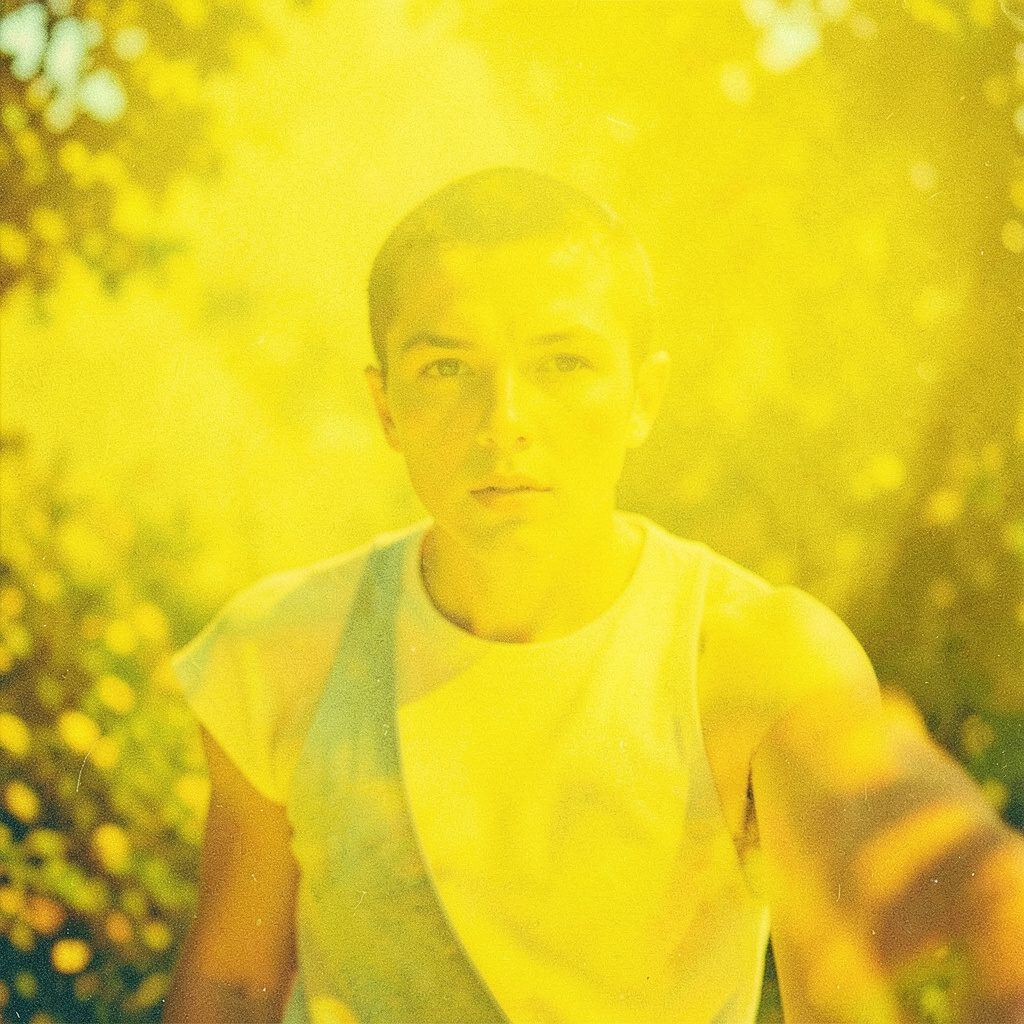
Top 10 Electronic Music Artists You Should Know in 2025
Electronic music in 2025 is far broader than a single club sound. House, techno, garage, ambient, drum and bass, IDM, electro-pop and cinematic dance music are all moving through the same global conversation. Producers are borrowing from older styles while using modern software, modular equipment and immersive visuals to create tracks that work equally well on headphones and festival systems.
For Australian listeners, this variety is especially easy to access. A morning commute through Sydney, a late-night drive in Brisbane or a weekend set in Melbourne can all come with a different electronic soundtrack. Streaming services, digital radio and local festival programming have made international dance music part of everyday listening rather than a niche interest.
The artists below represent different sides of the current electronic scene. Some write emotional club anthems, while others focus on precise sound design, hypnotic repetition or highly visual live shows. Their music also connects with the practical features many listeners look for on a music website: searchable lyrics, downloadable tracks, ringtone potential, guitar-friendly melodies and links to major audio platforms.
Free MP3 and ringtone searches should still be handled carefully in Australia. The Australian Copyright Act protects recorded music, and legal access usually means using an authorised store, subscription service or artist-approved download page. A useful catalogue can help you discover a song, identify its performer and find the right version on Spotify, Apple Music, YouTube, Deezer, Amazon Music or SoundCloud.
Fred Again.. And Four Tet
Fred again.. has become one of the most recognisable names in contemporary dance music by turning ordinary moments into emotionally direct electronic songs. His productions often use voice notes, conversations, field recordings and short vocal phrases, giving tracks the feeling of private memories transformed into festival music. That approach has helped him connect with listeners who may not normally describe themselves as club fans.
His appeal is clear in Australia, where electronic music frequently crosses between triple j, major festivals and intimate warehouse events. Songs such as “Marea (We’ve Lost Dancing)” and “Delilah (pull me out of this)” show how a simple vocal hook can carry a powerful build without losing its human quality. They are equally effective through earbuds on a train and on a large outdoor sound system.
Four Tet works from a quieter but equally influential position. Kieran Hebden combines house rhythms, folk-like melodies, jazz textures and sampled percussion with remarkable restraint. His music rewards repeated listening because subtle details gradually emerge beneath the groove. He is an essential reference point for anyone exploring intelligent dance music, left-field house or ambient techno.
Peggy Gou And Charlotte De Witte
Peggy Gou has helped make sleek, melodic house music feel globally immediate. Her sets move between classic club influences and bright, memorable hooks, while her visual identity and fashion connections have expanded her reach beyond traditional dance audiences. Tracks such as “(It Goes Like) Nanana” show her ability to make a simple phrase feel infectious without overcomplicating the arrangement.
Her sound works well for casual listening and social settings, which partly explains its popularity across playlists and short-form video. In Australia, where outdoor dining, beach gatherings and summer festival culture shape music habits, accessible house has a natural place. Gou’s catalogue is a strong starting point for listeners who want rhythm without the harder edge of industrial techno.
Charlotte de Witte offers a more intense direction. Her techno is built around pounding kick drums, dark synth lines and long, controlled tension. She has become a major figure in contemporary rave culture while keeping the focus on the physical force of the music. The result is especially effective in a large venue, where repetition becomes immersive rather than predictable.
Listeners in Melbourne and Sydney will recognise the influence of this style in local club programming. De Witte’s work can also introduce newcomers to acid techno, warehouse sounds and harder dance subgenres. Those exploring the cultural history of provocative music may also enjoy this history of banned songs, which shows how changing technology and social attitudes have always shaped what reaches an audience.
Skrillex And Aphex Twin
Skrillex remains one of the most important electronic artists of the modern era because he helped bring dubstep’s aggressive bass design into mainstream pop and festival culture. His productions are full of sharp edits, distorted drops and dramatic contrasts, yet his later work has also shown a broader interest in garage, house, hip-hop and collaborative songwriting.
His influence can be heard in gaming soundtracks, commercial advertising and the heavy bass sets common at Australian festivals. Tracks such as “Bangarang” and “Scary Monsters and Nice Sprites” remain useful entry points, particularly for listeners interested in sound design and the explosive side of electronic production. Skrillex demonstrates how a producer can turn studio experimentation into a widely recognisable language.
Aphex Twin represents a more elusive, experimental tradition. Richard D. James has worked across ambient, IDM, breakbeat, acid and fragmented electronica, often creating music that feels playful, unsettling and technically intricate at the same time. “Windowlicker” and “Avril 14th” show two very different sides of his catalogue: one abrasive and surreal, the other delicate and piano-led.
His work is valuable for anyone who wants to understand electronic music as composition rather than only dance-floor entertainment. Aphex Twin’s unusual rhythms and unpredictable structures can sound demanding at first, but they reward close listening. A good pair of headphones reveals details that may disappear on a phone speaker during a busy commute.
Jamie Xx And Bicep
Jamie xx has built a distinctive career by blending indie sensibility with club production. His solo album In Colour remains a landmark for its mixture of UK garage, steel drums, chopped vocals and melancholy atmosphere. More recent material continues to explore the point where dance music becomes emotionally reflective, making him a natural choice for listeners who enjoy both alternative pop and electronic beats.
His connection to The xx also gives his music a strong sense of space. Bass lines, percussion and small vocal fragments are carefully positioned rather than crowded together. This makes his songs attractive to listeners who appreciate production detail, and it gives DJs plenty of room to incorporate them into a longer set.
Bicep, the Belfast duo of Andy Ferguson and Matthew McBriar, create expansive music that combines rave nostalgia with polished modern production. Their best-known tracks, including “Glue” and “Apricots”, use looping melodies and pulsing rhythms to produce a sense of motion and memory. There is a cinematic quality to their work, but the tracks remain firmly connected to the dance floor.
Bicep are also a good example of how electronic artists can build a strong visual identity around live performance. Their shows use lighting and large-scale graphics to make sound feel physical. That format suits Australian festival audiences, from major events in coastal cities to smaller electronic gatherings in regional areas.
Anyma And Floating Points
Anyma has become a leading name in melodic techno, combining club production with futuristic visuals and a strong interest in digital art. The project’s songs often feature dramatic vocal lines, slow-burning builds and polished low-end frequencies. Its live presentations are designed as audiovisual experiences, with giant animated figures and immersive screens extending the emotional effect of the music.
That theatrical approach makes Anyma particularly relevant to younger listeners discovering electronic music through video platforms. It also reflects the growing overlap between dance music, gaming aesthetics and virtual production. For an Australian audience accustomed to large-scale concerts at venues such as Sydney’s Qudos Bank Arena, Anyma offers a clear example of how electronic shows are becoming increasingly cinematic.
Floating Points, the alias of Sam Shepherd, occupies a more scholarly and exploratory space. His work moves between analogue synthesis, broken beats, orchestral composition and ambient electronics. The album Crush is a strong introduction, while Promises, created with Pharoah Sanders and the London Symphony Orchestra, demonstrates how electronic composition can sit beside jazz and contemporary classical music.
His catalogue suits focused listening rather than background playback. Floating Points pays close attention to tone, texture and gradual development, making his work appealing to people who enjoy experimental jazz, modern classical records or detailed studio recordings. He also shows that electronic music can be delicate and spacious without losing rhythmic purpose.
Listening And Downloading In Australia
Australia’s music market combines global streaming habits with a strong local interest in radio discovery, festival culture and independent artists. A listener in Perth may find a new producer through SoundCloud, while someone in Adelaide may encounter the same artist through a community radio programme or a curated Spotify playlist. This mix keeps discovery active across both established platforms and smaller scenes.
Mobile listening also shapes how tracks are consumed. Many people save music for flights, use playlists during gym sessions or choose short ringtone clips for their phones. Data costs, regional coverage and subscription pricing can influence whether a listener streams or downloads, so clear artist information and legitimate purchase options remain important.
Use the following habits to explore this list responsibly and get more from each artist:
- Start with one accessible track, then listen to a full album or extended mix.
- Compare studio versions, live recordings and DJ edits when they are officially available.
- Use lyrics, credits and production notes to identify vocalists, samples and collaborators.
- Check whether an MP3 or ringtone comes from an authorised artist, label or retailer.
- Try high-quality headphones for ambient, IDM and detailed techno productions.
- Follow Australian radio, venue and festival listings to discover local electronic talent.
Electronic music is most rewarding when treated as a broad musical world rather than a single genre. Save tracks from these ten artists, explore their collaborators and use reliable music catalogues to find lyrics, chords, release details and legal listening options. Build a personal playlist that moves from Fred again..’s emotional house to Aphex Twin’s experimental electronics, then share it through your preferred streaming service or download platform.