Reggae’s golden era: the best songs with free downloads
Reggae’s golden era sits between the late 1960s and early 1980s, a period when Jamaican roots, rocksteady, soul and African diasporic politics came together with unusual force. The songs were built for dances, sound systems and political hope, yet their basslines, vocal hooks and messages still shape popular music well beyond the Caribbean.
Bob Marley and the Wailers, Peter Tosh, Toots and the Maytals, Burning Spear, Desmond Dekker and Jimmy Cliff became part of a shared catalogue rather than the property of one genre or generation. Their records carried joy, anger, faith and resistance in the same performance, giving the music a directness that rewards both careful listening and a first-time play.
For listeners in Australia, that catalogue is easier to explore through ZONE, a music site offering free MP3 and ringtone listings, lyrics and guitar-chord pages, plus links to audio on major platforms. The guide below connects essential tracks with the scenes, slang and digital habits that give the music a place in Australian life while keeping availability and usage rights in view.
Roots that shaped the sound
Reggae did not arrive as a tidy package from one room or studio. Jamaican musicians absorbed ska, mento, American rhythm and blues, jazz, gospel and African religious traditions, then transformed those forms into something distinct. The change from 1960s rocksteady into roots reggae gave the beat more space, while the rise of dub exposed individual instruments with spacious, bass-heavy authority.
Black diasporic culture also travelled through speech, music, clothing and memory. Black American Griot traces the griot tradition as a model of preserving community history through performance, offering context for the role reggae artists played as cultural witnesses. That history helps explain why a compact chant or pointed studio aside could carry as much weight as a full melody.
In Australia, those roots can be felt around Byron Bay, where beach towns and long-running festivals attract touring reggae bands, and in Brisbane, where Caxton Street remains closely tied to the city’s African Caribbean community. Local slang adds colour: a backyard sound system might be described as “chucking” the tunes at a barbie on a Sunday arvo, placing the music inside familiar Australian social scenes.
From sound systems to global records
The breakthrough depended on grassroots networks as much as commercial deals. Sound-system operators tested new records, selectors built audiences around particular songs, and small Jamaican labels released vinyl with striking sleeve artwork. Studios such as Channel One, Dynamic and Joe Gibbs turned that momentum into a stream of rhythm tracks that could travel from Kingston to London, New York and beyond.
Culture moved with the records, including the visual codes associated with Rastafari and Black liberation. For additional perspective on how styling and presentation communicated identity, hair and cultural history provides a visual-history angle that sits alongside the music’s lyrics, symbols and stage image. These details matter because reggae’s influence was never confined to sound alone.
International audiences also encountered reggae through inventive versions of outside songs. The Wailers reinterpreted The Beatles’ “I’ll Be Back”, Jimmy Cliff covered The Pretenders, and British reggae bands turned rock and pop material into something looser and more rhythmic. The result was a reciprocal exchange, with Caribbean grooves feeding into punk, new wave, hip-hop and later pop productions.
Essential tracks and free listening picks
ZONE’s search pages can be used to check listings for MP3s, ringtones, lyrics and guitar chords, although formats and permissions can change over time. These eight performances offer a strong route into the classic years, covering roots, rocksteady, dub, lovers rock and the sound of early dancehall.
Essential roots and early classics
- “No Woman No Cry” — Bob Marley and the Wailers: The group’s best-known song pairs an instantly memorable chorus with a bass line that still sounds fresh, decades after its release.
- “Legalize It” — Peter Tosh: Tosh’s commanding voice and the song’s repeated demand for legal reform capture the political force at the heart of roots reggae.
- “Pressure Drop” — Toots and the Maytals: Tight rhythms, playful phrasing and a forceful vocal performance make this track a vital link between early dance music and later roots records.
- “Swan Song” — Burning Spear: A reflective album title track built around weighty bass, drums and sparse textures, showing how restraint could create enormous power.
Songs that crossed genres and generations
- “Israelites” — Desmond Dekker: Its urgent vocal and bright organ arrangement brought Jamaican music into the international mainstream while retaining a distinctly local rhythmic identity.
- “54-46 Was My Number” — Toots and the Maytals: The number in the title refers to a Jamaican police station, while the call-and-response performance captures the sound of a live crowd at its best.
- “Night Nurse” — Gregory Isaacs: Isaacs’ smooth lovers-rock delivery added romance and vulnerability to a catalogue that had often been defined by protest and spiritual reflection.
- “Police and Thieves” — Junior Murvin: Lee “Scratch” Perry’s atmospheric production surrounds Murvin’s plaintive vocal, creating one of the era’s most distinctive and widely sampled records.
These choices also show how “golden” can describe more than simple popularity. The most enduring songs moved between studio polish and raw live energy, using simple recurring grooves to make complicated feelings feel immediate. Free access makes it easier to compare a roots version with a later cover, hear the influence of dub production, or print lyrics and chords for a guitar-based interpretation.
The sound and message of the golden era
The period’s sound was distinctive without being rigid. Offbeat guitar figures moved around the kick drum, bass lines alternated between melodic phrases and emphatic roots, and vocal harmonies could shift from call and response to close three-part singing. Producers including King Tubby, Lee Perry and Scientist turned rhythm tracks into immersive spaces, with echo, delay and frequency changes reshaping familiar riddims.
Messages ranged from migration and discrimination to community love, spiritual faith and the return to an ancestral homeland. Strong stories carried the music, but many tracks also worked through atmosphere, movement and repetition. That combination explains why the records could function equally well at a community hall, a club, a festival stage or through headphones on a train.
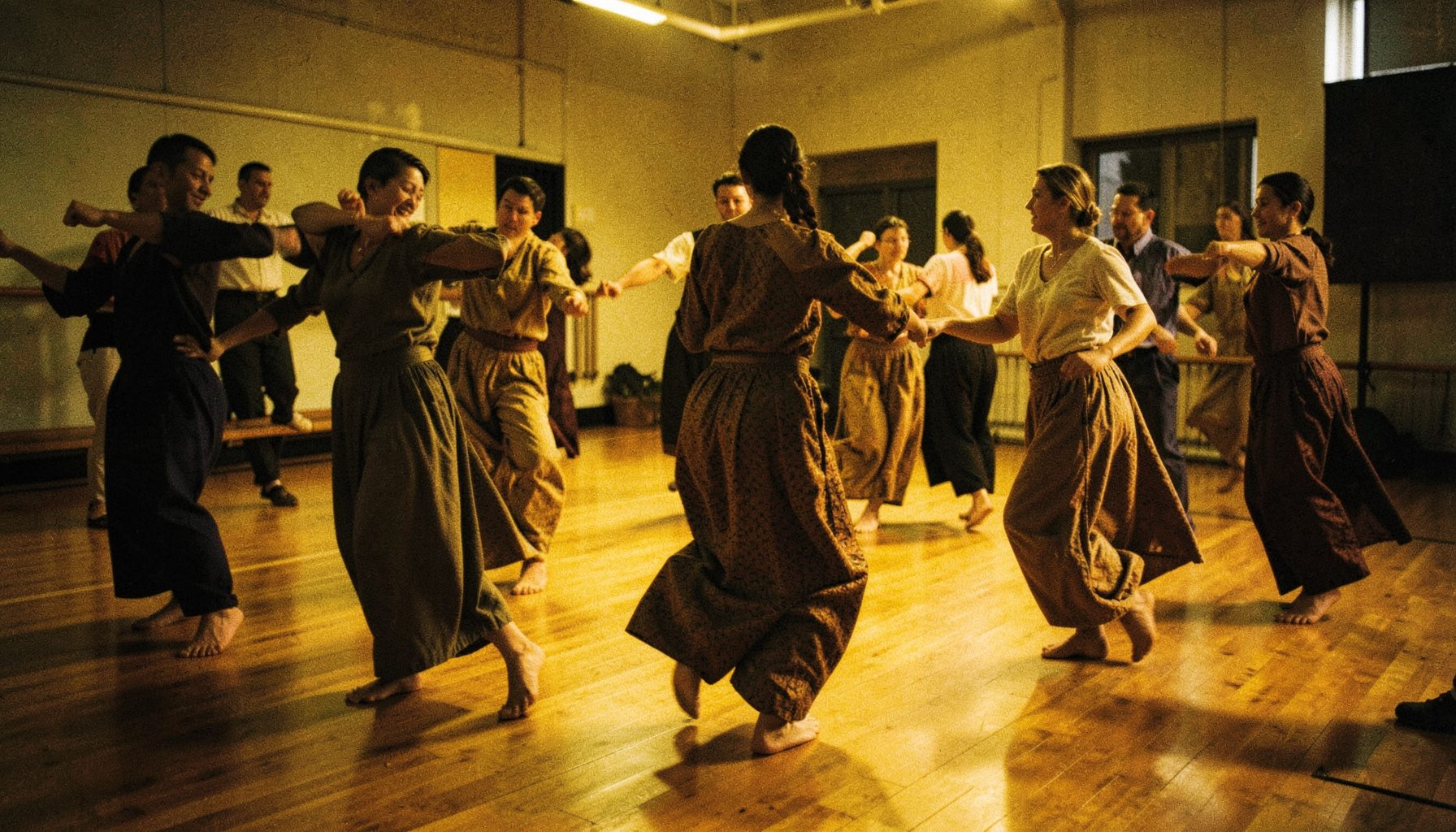
Legacy belongs to both the original performers and the listeners who kept the music moving. New artists reinterpret classic vocal and rhythm patterns, producers sample familiar passages, and dance companies use songs to explore Caribbean history. Preserving the original recordings matters because those versions contain details that later adaptations often simplify or overlook.
Listening across Australia today
Australians can move easily between Spotify, Deezer, Apple Music and the iTunes Store, YouTube, SoundCloud and Amazon music listings. Australian pricing, local playlists and widely available mobile data make it practical to build a reggae collection without visiting a specialist shop. Streaming also allows listeners to move from a familiar Bob Marley track to lesser-known recordings by the Wailers, Soul Syndicate or Linval Thompson.
Physical music still has a strong market here. Independent record stores, JB Hi-Fi outlets, specialist reggae sellers and online vinyl dealers serve collectors, while live rooms around Melbourne, Northbridge in Perth, Sydney and Brisbane provide settings where the genre feels immediate. Caxton Street remains a particularly useful starting point for anyone seeking records, performances and a deeper connection with Brisbane’s Caribbean community.
Free download pages should be treated as convenient options rather than a substitute for checking usage rights. ZONE’s listings can point listeners toward authorised downloads, ringtones and playable previews, while lyrics and chord sheets make it easier to learn a song. Availability varies between territories and platforms, so an Australian listener may hear a studio version on one service and a live recording on another.
Start with the essential tracks above, then search ZONE for the artist, song title or lyric fragment to uncover nearby recommendations. A good pathway is “No Woman No Cry” for the central roots sound, “Legalize It” for political urgency, and “Swan Song” for dub’s atmospheric side.
Open ZONE, choose a classic, check the current MP3 or ringtone listing and follow the displayed permission details. Put on the bassline, sing the chorus and bring the golden era into the next backyard session.