A Beginner’s Guide to the Subgenres of Jazz
Jazz can seem like a single musical style until you listen closely. Swinging big-band arrangements, smoky bebop solos, relaxed cool jazz, electric fusion and soulful vocal standards all belong to the same broad family, yet each creates a different atmosphere. Learning the main jazz subgenres gives beginners a practical way to recognise what they hear and choose recordings that suit their taste.
The style is also easier to approach through familiar entry points. You might start with a memorable melody, a strong singer, a danceable rhythm or an instrumental solo rather than trying to understand every chord straight away. Whether you are exploring music at home in Perth, browsing tracks during a tram ride through Melbourne or looking for new sounds through Australian streaming services, jazz offers plenty of accessible paths in.
What Makes Jazz Sound Like Jazz
Jazz is built around rhythm, improvisation and interaction. Performers often work with a repeating chord progression or a written theme, then reshape it through solos and spontaneous responses. The rhythm section usually includes piano or another keyboard, double bass, drums and sometimes guitar, while horns such as saxophone, trumpet and trombone add colour and melodic focus.
Syncopation is another important feature. Instead of placing every accent on the expected beat, jazz musicians create movement by stressing offbeats, delaying phrases or leaving deliberate spaces. This gives the music a conversational quality. A soloist may play a short idea, repeat it with a variation and then hand the musical energy back to the ensemble.
Jazz harmony can sound rich because it often uses extended chords, chromatic movement and unexpected changes. Beginners do not need to memorise chord symbols immediately. Listening for the main melody, the pulse, the bass movement and the moment when an instrumentalist begins improvising is a more useful first step.
New Orleans Jazz And Dixieland
New Orleans jazz developed from the musical culture of Louisiana in the early twentieth century. It brought together African American blues, ragtime, spirituals, marching-band traditions and Caribbean influences. Early ensembles often featured cornet or trumpet, clarinet, trombone, tuba or double bass, drums and banjo or piano.
A key characteristic is collective improvisation. Several instruments may improvise at the same time while retaining distinct roles: the trumpet carries the main tune, the clarinet weaves around it and the trombone fills the lower register with sliding responses. The result is lively, layered and often celebratory rather than centred on one extended solo.
Dixieland is a later label associated with traditional jazz revival bands, especially those using a front line of trumpet, clarinet and trombone. For a beginner, this style is a good starting point because the melodies are recognisable and the ensemble interplay is easy to hear. Search for recordings connected with Louis Armstrong, Jelly Roll Morton or Sidney Bechet to explore the roots of the sound.
Swing And Big-Band Jazz
Swing became especially influential in the 1930s and 1940s. Its defining rhythm has a buoyant, forward-moving feel, with phrasing that gives pairs of notes an uneven, lilted shape. Big bands expanded the small jazz ensemble into sections of saxophones, trumpets and trombones supported by piano, bass, drums and sometimes guitar.
Arrangements are central to big-band music. Rather than relying entirely on spontaneous improvisation, composers and arrangers create riffs, brass hits, call-and-response passages and carefully planned backgrounds for soloists. Count Basie is known for economical, rhythmic arrangements, while Duke Ellington used sophisticated orchestration and distinctive instrumental colours.
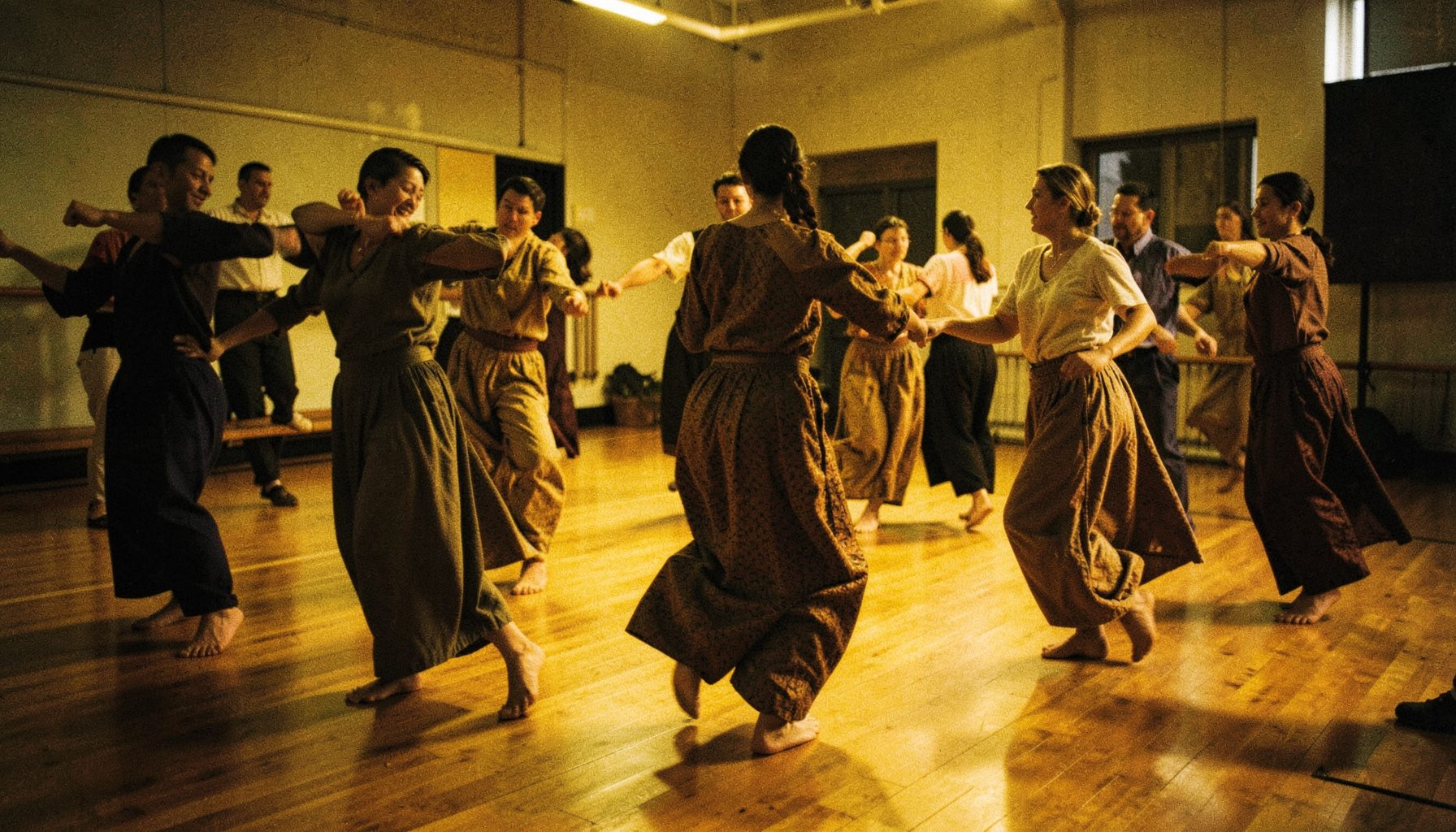
Swing is also strongly connected to dancing. Lindy hop, jive and other partnered styles developed alongside the music, making this subgenre an inviting choice for listeners who enjoy physical rhythm. In Australia, you may encounter swing bands and social dance nights in Sydney, Melbourne, Adelaide and Brisbane, especially around festival programmes and independent live-music venues.
Bebop And Cool Jazz
Bebop emerged during the 1940s as musicians developed a faster, more harmonically complex form of jazz. Small groups replaced the large dance orchestra, and performers such as Charlie Parker and Dizzy Gillespie made virtuosic improvisation central to the experience. Bebop melodies can be angular and quick, while solos often move rapidly through demanding chord changes.
This is music for concentrated listening rather than background entertainment. A useful way to approach it is to hear the melody first, then notice how the soloist changes its rhythm, contour and emphasis. The drums may become more interactive, while the bass walks steadily through the harmony and the piano supplies compact, responsive chords.
Cool jazz appeared partly as a contrasting approach in the late 1940s and 1950s. It generally favours a smoother tone, restrained intensity, spacious phrasing and carefully balanced arrangements. Miles Davis, Chet Baker and the Modern Jazz Quartet are common entry points. Cool jazz can feel especially appealing during a quiet evening, a long train journey or a relaxed Sunday morning.
Hard Bop, Soul Jazz And Modal Jazz
Hard bop brought a stronger blues, gospel and rhythm-and-blues influence to the small-group format. The style often features forceful drumming, earthy saxophone or trumpet tones and memorable themes. Art Blakey, Horace Silver and Lee Morgan are useful names for beginners who want jazz with a direct, energetic character.
Soul jazz developed from similar roots and often sounds warm, funky and immediately accessible. Organ trios, particularly those featuring Hammond organ, created a thick, groove-based texture. Guitar, tenor saxophone and drums may lock into a repeated pattern that makes the music suitable for casual listening while still leaving room for improvisation.
Modal jazz uses scales or modes as a harmonic foundation instead of moving rapidly through a dense sequence of chords. This gives musicians more space to develop a phrase gradually. Miles Davis’s Kind of Blue is widely regarded as an approachable example. When listening, focus on how the soloist creates variation through tone, rhythm and repetition rather than relying on constant chord changes.
Free Jazz, Fusion And Contemporary Sounds
Free jazz loosens or removes some traditional expectations about fixed harmony, regular metre and formal song structure. Performers may use extended techniques, unusual timbres, silence and collective improvisation. The style can feel challenging, but it also rewards listeners who treat it as an evolving soundscape rather than expecting a conventional verse-and-chorus arrangement.
Jazz fusion combines jazz improvisation with elements of rock, funk, electronic music and sometimes world music. Electric keyboards, synthesizers, amplified guitar and complex drum grooves are common. Herbie Hancock, Weather Report and Chick Corea provide useful reference points, while later artists have blended fusion with hip-hop, neo-soul and electronic production.
Contemporary jazz is broad enough to include vocal jazz, Latin jazz, smooth jazz, nu jazz and experimental crossover. Australian musicians and venues add their own perspective, with Melbourne’s long-standing improvised-music community, Sydney’s live-club circuit and festivals such as the Melbourne International Jazz Festival helping listeners find local performers. Radio, playlists and stations such as D Blaze FM can also broaden your discovery beyond the most familiar American recordings.
A listening map for your first week
- Begin with New Orleans jazz to hear collective improvisation and bright ensemble conversation.
- Try swing or big-band recordings when you want a clear pulse and dance-friendly energy.
- Compare bebop with cool jazz to notice the difference between fast intensity and spacious phrasing.
- Explore hard bop and soul jazz for blues-based melodies, powerful grooves and accessible solos.
- Listen to modal jazz when you want open harmonic space and gradual musical development.
- Move into fusion or free jazz after becoming comfortable with ensemble interaction and improvisation.
Details to notice in every track
- Identify the main melody before concentrating on the solos.
- Follow the bass to hear how the harmony and pulse are being supported.
- Notice whether the drums keep a steady pattern or respond actively to the soloist.
- Listen for repeated phrases, pauses, call-and-response and changes in instrumental texture.
- Ask whether the music feels designed for dancing, close listening, atmosphere or experimentation.
How To Build A Personal Jazz Playlist
A balanced playlist can make the history of jazz feel less like a series of disconnected labels. Pair one recording from each period with a track that shares a mood or instrument. For example, an early New Orleans performance might sit beside a modern trumpet-led group, while a swing standard can be followed by a contemporary big-band arrangement.
Vocal jazz is often a welcoming route for people who find instrumental improvisation unfamiliar. Ella Fitzgerald, Billie Holiday, Sarah Vaughan and Australian artists such as Vince Jones offer clear melodies and expressive phrasing. Guitar-led recordings may appeal to listeners coming from rock or pop, while Latin jazz can connect with anyone drawn to percussion, dance rhythms and bright ensemble textures.
Australia’s music market makes discovery relatively convenient. Streaming catalogues, digital radio, record shops and live listings in Melbourne, Sydney, Brisbane, Perth and Hobart each reveal different parts of the scene. Some listeners may prefer buying albums from local artists, while others use Spotify, Apple Music, YouTube or Bandcamp to compare versions of the same composition.
Free MP3 and ringtone catalogues, lyrics pages and guitar-chord resources can help with casual exploration, but always check that downloads come from legitimate sources and respect the rights of musicians. Jazz rewards repeated listening, so saving a track and returning to it later is often more valuable than rushing through a long list of names.
Choose three recordings today: one with a strong groove, one with a clear melody and one that feels unfamiliar. Listen once for the overall atmosphere, again for the rhythm section and a third time for the improvisation. Then explore related artists through the music platforms and live listings available in your part of Australia, building a jazz collection that reflects your own ears rather than a fixed canon.