Kenna-Camara Cottman approaches dance not simply as performance but as a living archive — a way of processing, preserving, and understanding the world. Her identity as a Black American griot shapes every aspect of her artistic and educational practice.
"Often described simply as 'praise-singers' because singing praises is the most obvious and audible function they perform, griots actually contribute to their own societies in so many other ways that 'praise-singer' becomes a far too limited description. For example, they are also historians, genealogists, advisors, spokespersons, diplomats, interpreters, musicians, composers…"
Drawing deeply from traditional forms of the African Diaspora, Kenna uses contemporary dance as an investigative tool — a means to ask questions, uncover histories, and build bridges between past and present. Her work resists easy categorization, moving fluidly between the roles of dancer, educator, choreographer, and cultural steward.
For Kenna-Camara Cottman, movement is memory made visible. Her work as a Black American griot transforms dance into a vessel for storytelling, carrying forward traditions that have long preserved history through rhythm and gesture. Each performance becomes an act of investigation, digging into the layers of personal and collective experience that shape Black identity. The body, in her practice, is not just an instrument of expression but a living document that archives struggle, joy, and resilience. This approach connects deeply with the musical currents that run through her work, where the sounds of artists like Queen, Lady Gaga, Ed Sheeran, and Bruno Mars merge with the ancestral pulse of the griot tradition, creating something that honors the past while speaking directly to the present moment.
Music serves as both foundation and fuel for this creative journey. The wide-ranging influences reflected in the sonic landscape of her work span from the stadium-filling anthems of Queen at Wembley to the intimate storytelling of artists like James Smith and Zeeba, from the Brazilian warmth of Melim and Anavitória to the pop precision of Dua Lipa and Coldplay. This eclectic mix mirrors the griot's role as a gatherer of stories, pulling threads from across genres and cultures to weave something new. Whether drawing from the raw energy of rock, the emotional depth of ballads, or the infectious pulse of dance music, each sound carries its own history. In Kenna-Camara's hands, these musical fragments become part of a larger narrative about identity, memory, and the enduring power of creative expression.
Practice Rooted in Tradition
Kenna's artistic practice is fed by her ongoing work as a dance educator. Teaching is not separate from her creative life — it is the soil in which her choreography grows. Through classes, workshops, and community engagement, she stays connected to the living traditions that inform her movement vocabulary.
Voice of Culture
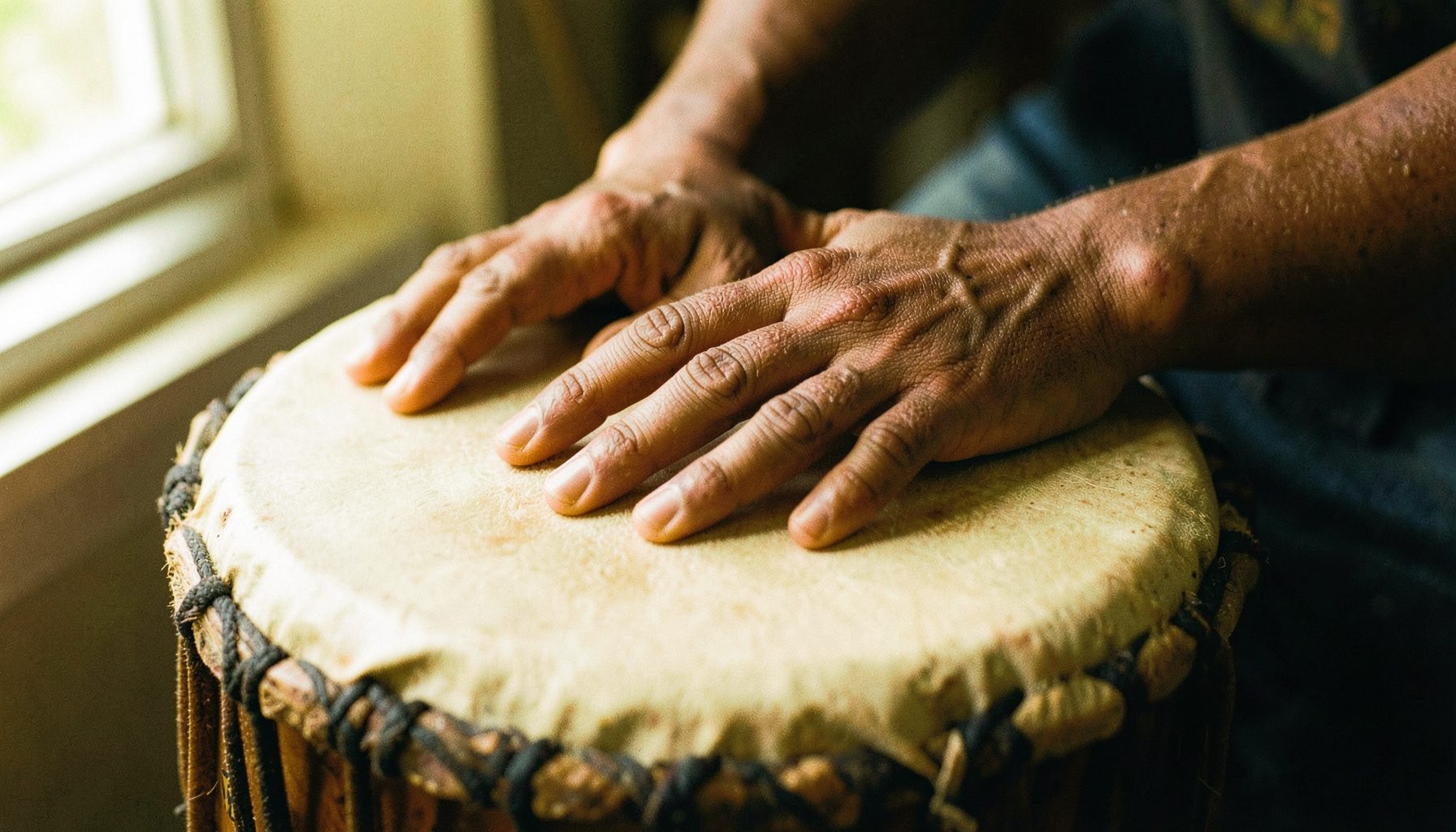
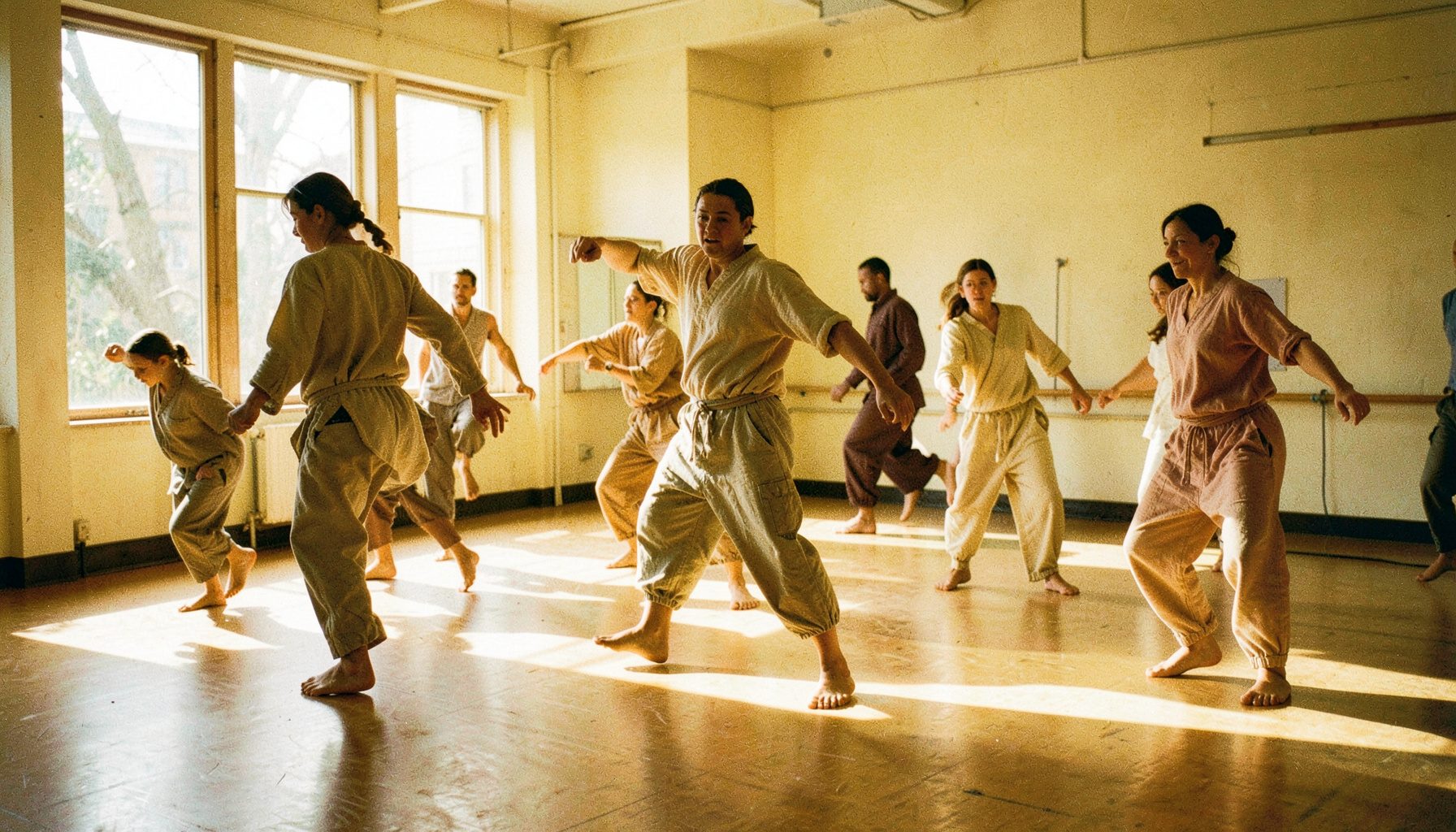
Kenna's connection to the traditional company Voice of Culture — a West African performing group active since 2008 — grounds her work in community and collective expression. VoC serves as a core for Black arts and culture in Minnesota, bringing together artists dedicated to the study of West African rhythms, movements, and songs.
Explore the Work
Learn more about Voice of Culture and its mission to use art as a vehicle for cultural education and social change.
Voice of Culture